Discover Organic Quality from Europe
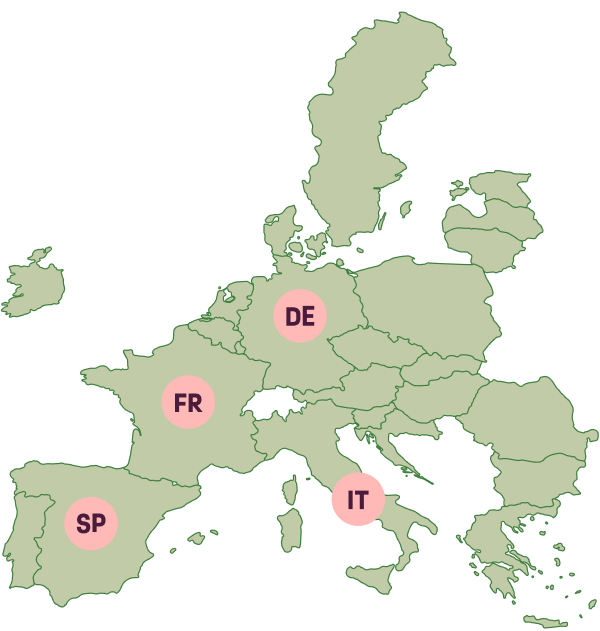
Organic quality is more than just avoiding pesticides. It’s about protecting regional diversity. Discover where our best vegetables thrive under the strictest European standards.

Organic quality is more than just avoiding pesticides. It’s about protecting regional diversity. Discover where our best vegetables thrive under the strictest European standards.
Fruits, vegetables, grains, and fish come from a variety of natural habitats and reflect the diversity of our diet. Each of these food groups makes an important contribution to a balanced diet by providing valuable nutrients and a variety of flavors.
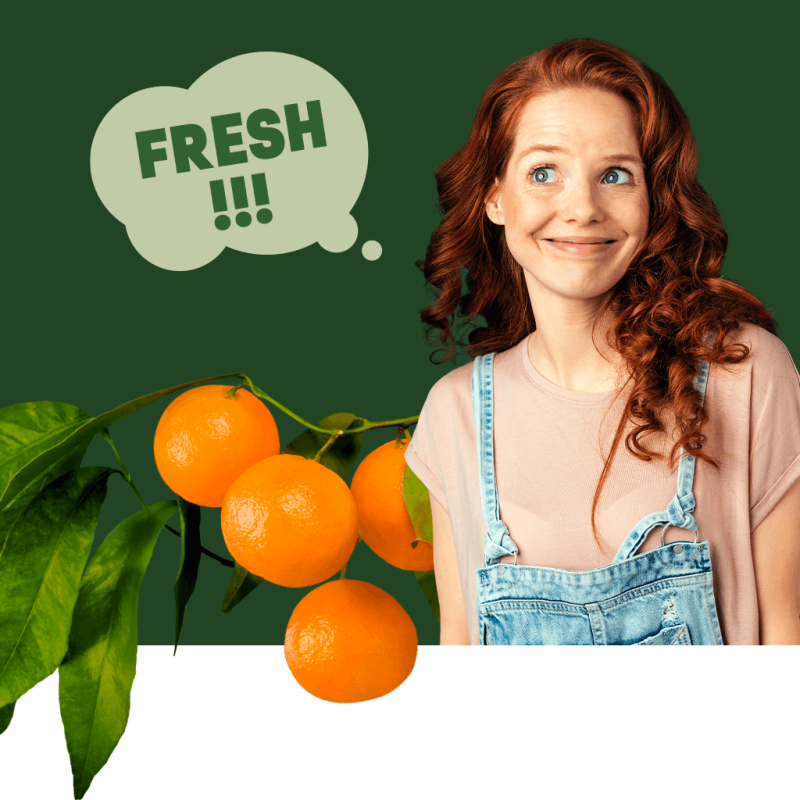
WOW, organic fruit!
Much more than just a snack between meals, fruit is the sweet side of healthy eating. It provides a wealth of vitamins, antioxidants, and natural plant compounds.
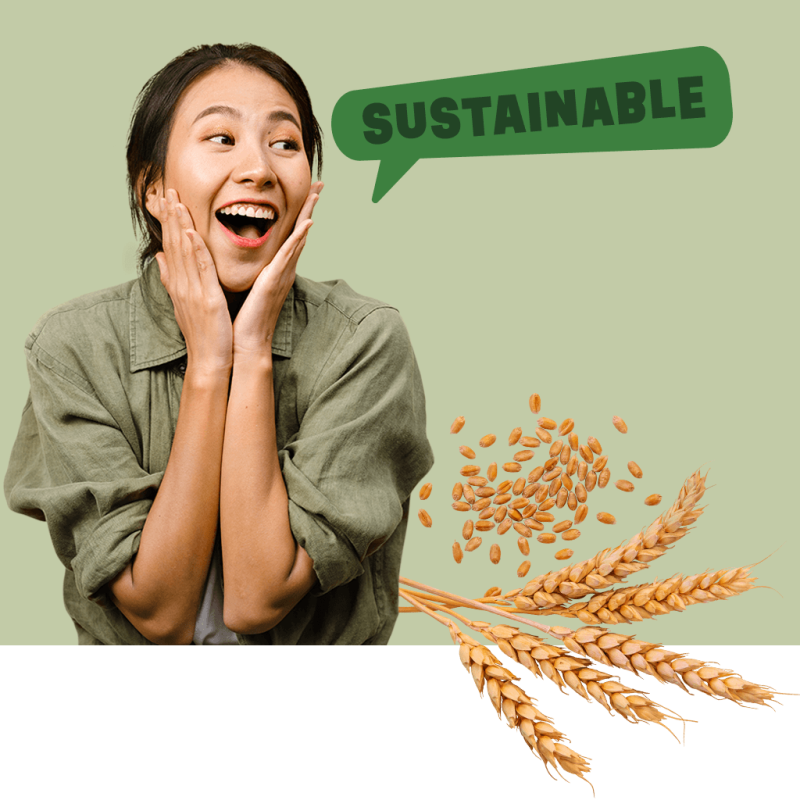
WOW, organic grains!
Versatile, filling, and nutrient-rich, grains are a powerful foundation of our diet—whether in bread, cereal, or pasta.
WOW, organic vegetables!
Far more than just a side dish, vegetables are the star of a healthy diet. They provide the body with minerals and fiber.
WOW, organic fish!
Rich in valuable nutrients, fish is a true powerhouse from the water. In organic aquaculture, species-appropriate conditions are a top priority.
Since organic plants grow more slowly, they have time to develop more natural flavors. So that “wow!” effect on your tongue is no coincidence.
The green leaf symbolizes organic products certified under EU regulations. Products bearing the EU organic logo must meet strict requirements—from production and processing to labeling. This allows you to recognize organic products at a glance.
Absolutely. Healthy soil is the foundation for healthy plants. That’s why organic farming relies on methods such as crop rotation and building soil fertility—thereby protecting soil life and soil structure.
Organic farming aims to make agriculture possible in harmony with nature. Among other things, the EU organic regulations promote biodiversity, healthy soils, the responsible use of natural resources, and the protection of water quality.
Yes—because organic status isn't just a promise; it's verified. Only certified products are allowed to bear the EU organic label.
The basic organic rules are the same throughout the EU. Whether in Spain, Sweden, or Germany: Anyone who uses the EU organic label must comply with the same EU organic rules.
That's the end of organic certification. Farms and businesses are inspected. Those that do not meet the requirements may lose their organic certification and are no longer allowed to market their products as organic.