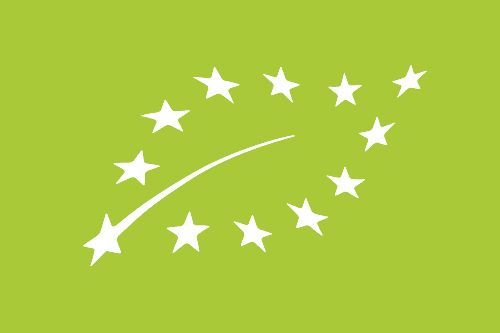
The EU Organic LabelYou can recognize organic products by the “Green Leaf” logo!

Find out how the EU organic label guarantees quality and how you can spot genuine organic products at a glance.

How can you tell if a product is organic?The EU organic logo makes organic products instantly recognizable.

It indicates that the EU’s requirements for organic production have been met and verified.

For packaged products, it can be found directly on the packaging. For unpackaged products, the label is displayed at the point of sale or provided in accompanying information.
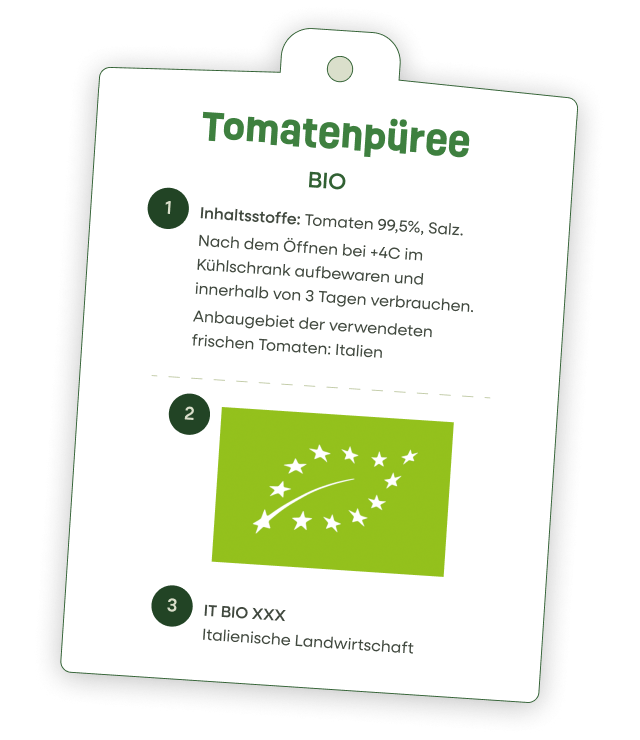
How to Read the Organic Label

A quick glance is all it takes to verify a product’s origin and authenticity.
Here’s what to look for on an organic label:

  1. Origin of Raw Materials
    Organic products indicate where the agricultural raw materials were produced. This ensures transparency regarding the origin of the ingredients.

  2. The EU Organic Logo (The Leaf)
    The green EU organic logo identifies products that have been produced, processed, and inspected in accordance with the EU Organic Regulation. It helps you quickly recognize organic products.

  3. Inspection Agency Code Number
    Every organic product bears the code of the responsible inspection agency (e.g., IT-BIO-XXX). This indicates which agency verified compliance with organic standards.
    A country or region may be specified if at least 95 percent of the agricultural ingredients originate from there.

DID YOU KNOW?

The EU organic logo may only be used on products that consist of at least 95 percent ingredients of agricultural origin from organic production.

Specific requirements also apply to the remaining ingredients. In addition, the same ingredient may not be included in a product in both organic and non-organic forms at the same time.

Who actually certifies organic products?

In order for organic products to be labeled as such, businesses must meet the requirements of the EU Organic Regulation. Compliance with these requirements is verified by accredited inspection and certification bodies. Each inspection body has its own identification code, which is listed on the product label.

After successful certification, businesses are permitted to use the EU organic logo—the green leaf made of stars on a green background. Inspections are not limited to the initial certification but are conducted regularly to ensure compliance with organic standards.

What does “organic” mean? The organic certification system in Europe, explained simply.

“Organic” stands for clear rules and transparent standards. In the EU, uniform requirements* apply to organic products: These rules govern organic products throughout their entire lifecycle—from production and processing, through labeling, transportation, and storage, to inspection and importation from non-EU countries. This ensures transparency regarding the requirements that must be met.

Frequently Asked Questions

  • The green leaf is your sign of EU organic certification. It indicates that this product meets EU regulations for organic farming and has been inspected and certified accordingly. For packaged organic foods in the EU, the label represents a common organic standard—and makes organic products instantly recognizable.

  • Small number, big transparency. The code number indicates which accredited inspection body inspected the product. The label “EU agriculture” or “non-EU agriculture” indicates where the agricultural ingredients were produced.

  • **For most packaged organic foods in the EU: yes. The green leaf is how you can spot organic products at a glance. Separate rules apply to unpackaged products and certain other cases.

  • At least 95% of the agricultural ingredients must be organic. Clear rules also apply to the remaining ingredients. So the label isn't just an empty green promise.

  • Yes—because organic status isn't just a promise; it's verified. Only certified products are allowed to bear the EU organic label.

  • The European Union. The EU organic logo establishes a common organic standard across the EU and makes organic products easier to identify.

  • Because organic products in the EU have a common logo. The green leaf makes it easy to spot organic products throughout Europe—no matter where you buy them.

  • The EU organic label is your guarantee of certified organic production in accordance with EU regulations. It tells you that a product meets the legal requirements for organic certification. Other labels may also have their own, stricter standards.

  • Not all organic products are the same. The EU organic label represents the common EU standard. Associations and other organic labels may impose additional requirements—for example, regarding agriculture, processing, or social aspects.