WOW, organic vegetables!Power from Living Soils
Much more than just a side dish: Organic vegetables are the colorful stars of your plate. Rich in vitamins, minerals, and phytochemicals—grown close to nature without synthetic fertilizers.

Much more than just a side dish: Organic vegetables are the colorful stars of your plate. Rich in vitamins, minerals, and phytochemicals—grown close to nature without synthetic fertilizers.
Much more than just a side dish, organic vegetables are the star of a healthy diet. They provide the body with minerals and fiber. Discover the variety and origins of European vegetables.
Latvia
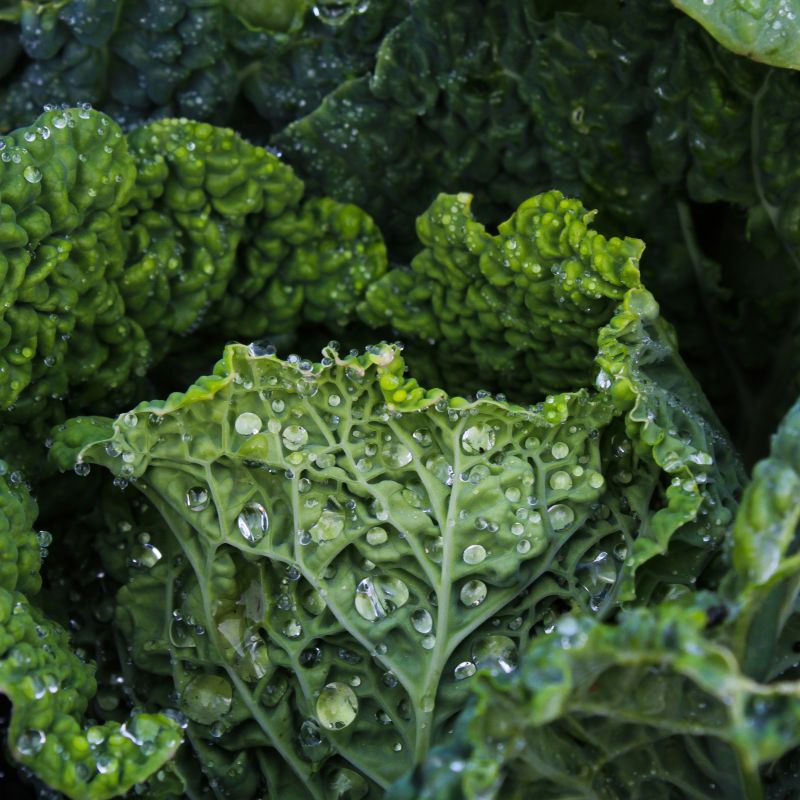
Cool temperatures and long autumn days are part of the natural rhythm of the Baltic region. Kale thrives in these conditions, developing its characteristic robust flavor. In Latvia, too, organic kale is grown in accordance with the EU Organic Regulation.
Germany
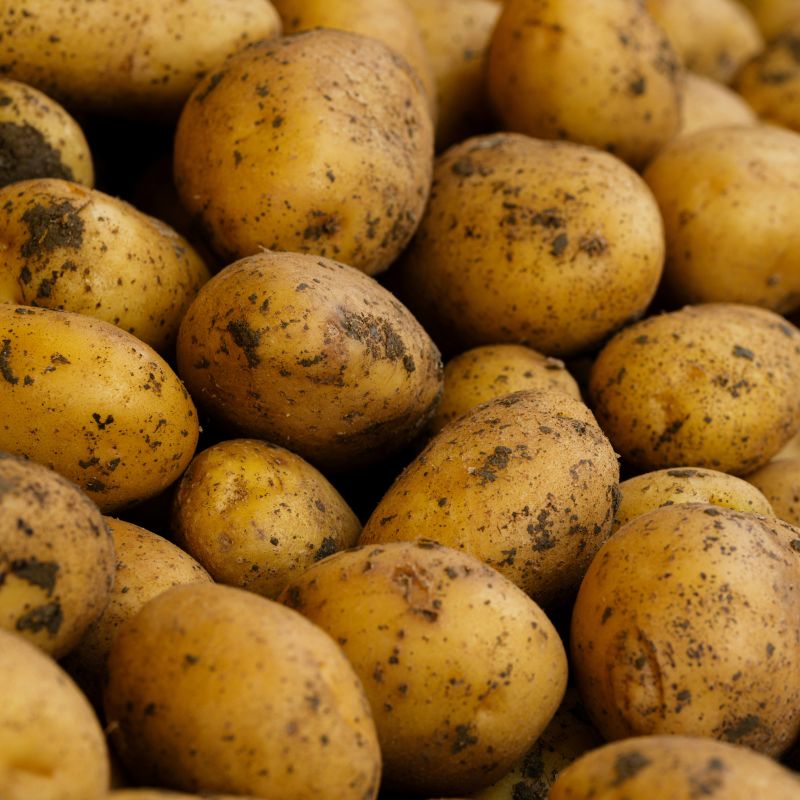
Potatoes are one of the classic crops of German agriculture. Different soils and regions provide ideal conditions for many varieties. Organic potatoes in Germany are grown in accordance with the EU Organic Regulation—locally sourced, versatile, and seasonal.
Lithuania
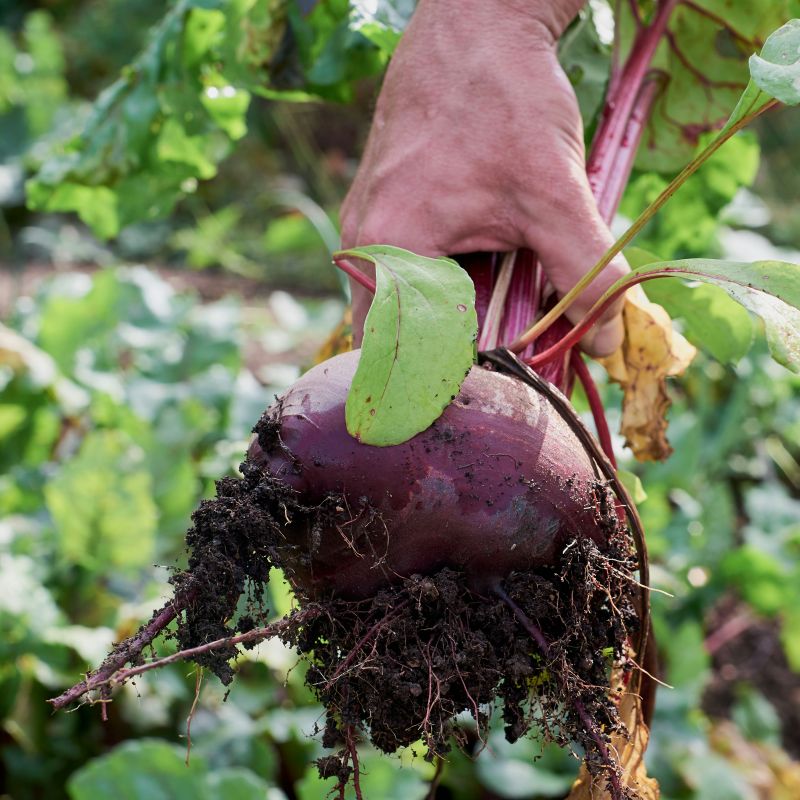
The long, cool seasons of the Baltic region are well-suited to beets. They grow there in nutrient-rich soil and develop their characteristic deep color and earthy, slightly sweet flavor. Organic beets from Lithuania are available from certified organic farms that meet EU organic standards.
Yes! Biodiversity is one of the goals of organic farming. EU organic regulations promote farming methods that support natural cycles and biodiversity.
Absolutely. Healthy soil is the foundation for healthy plants. That's why organic farming relies on methods such as crop rotation and building soil fertility—thereby protecting soil life and soil structure.
Organic farming relies on solutions that are as natural as possible. Synthetic chemical pesticides are not permitted in organic farming; only certain products and substances approved under EU organic regulations are allowed.
Yes—because organic status isn't just a promise; it's verified. Only certified products are allowed to bear the EU organic label.
Discover all the different types of grains and fun facts about their natural, primal power.
A healthy ocean means healthy fish. Learn more about organic fish.
Learn more about our fruit: from vitamins to antioxidants.