Organic AquacultureOrganic Fish? There's More to It Than Meets the Eye.

Ecological aquaculture demonstrates how high-quality fish products can be produced while ensuring the responsible treatment of the animals. Clear EU standards* provide a reliable framework for this, for example:

  • Focus on the needs of the fish

  • Feed from organic production

  • No preventive antibiotics or hormones

Organic Aquaculture at a Glance

  1. Clear EU standards form the basis for sustainable fish farming.

  2. The focus is on the needs of the fish, with ample space, oxygen-rich water, and rearing conditions tailored to each fish species.

  3. The fish are fed organically produced feed, supplemented with ingredients from sustainable fisheries when necessary.

  4. Preventive antibiotics, synthetic chemicals, and hormones used to artificially stimulate reproduction are not permitted.
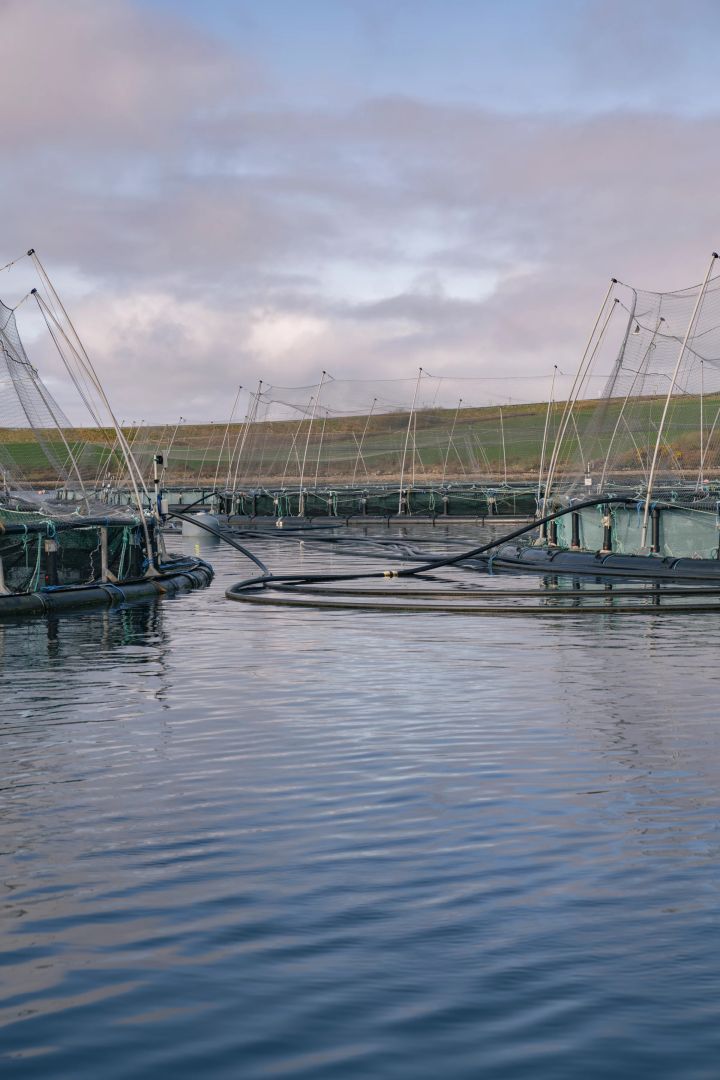
DID YOU KNOW that ?

More and more people are choosing organic fish. That is why organic aquaculture is also growing in Europe.

Clear EU standards* ensure a reliable regulatory framework

.* Originally EU Basic Regulation (EC) No. 710/2009, later Regulation (EU) 2018/848 and subsequent amendments.

Organic fish?There's More to It Than That.

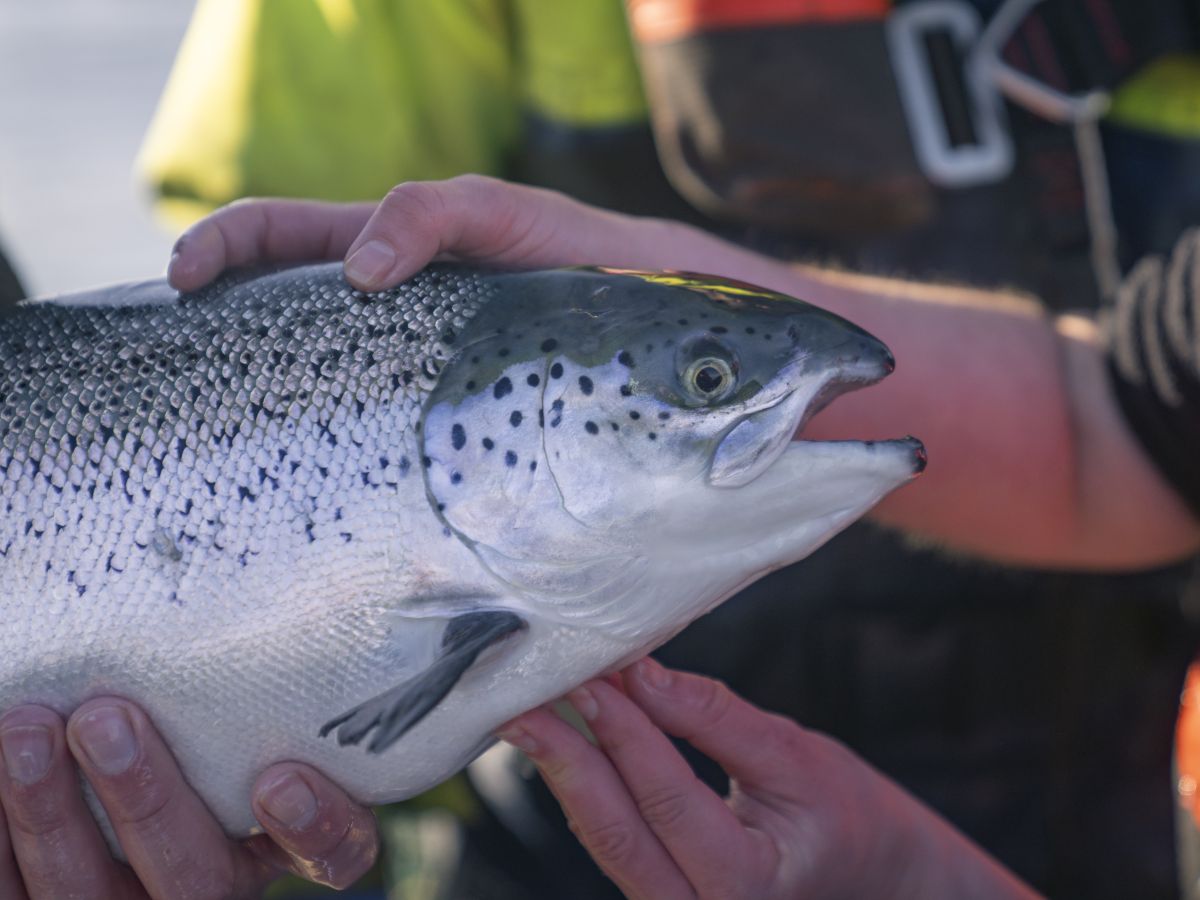
Ecological aquaculture demonstrates how high-quality fish products can be produced while treating the animals responsibly. The focus is on the health and well-being of the fish. For example:

  • clean, oxygen-rich water;

  • sufficient space;

  • no use of closed-loop systems in which water from the facility is reused;

  • a consistent focus on preventive health care;

  • rearing methods tailored to the needs of each fish species.

The goal: healthy fish and high-quality fish products from responsible production.

What's on the menu for organic fish?

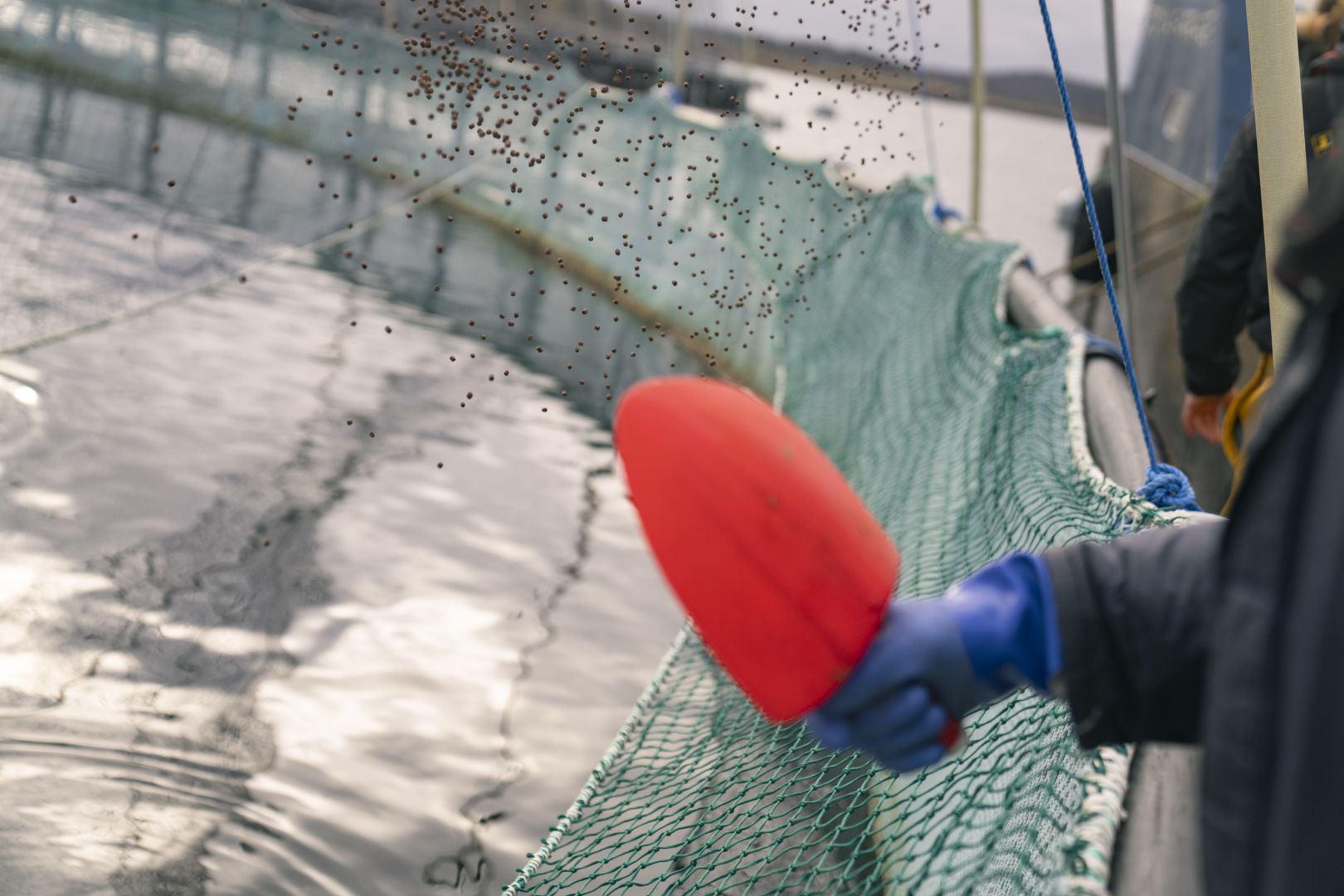
In organic aquaculture, feed from organic production is used. If necessary, it is supplemented with ingredients from sustainable fisheries.
Clear guidelines promote responsible production. The following are not permitted:

  • prophylactic antibiotics;

  • synthetic chemicals;

  • hormones and hormone derivatives used to artificially stimulate reproduction.

The focus is on the needs of the fish and compliance with organic standards.