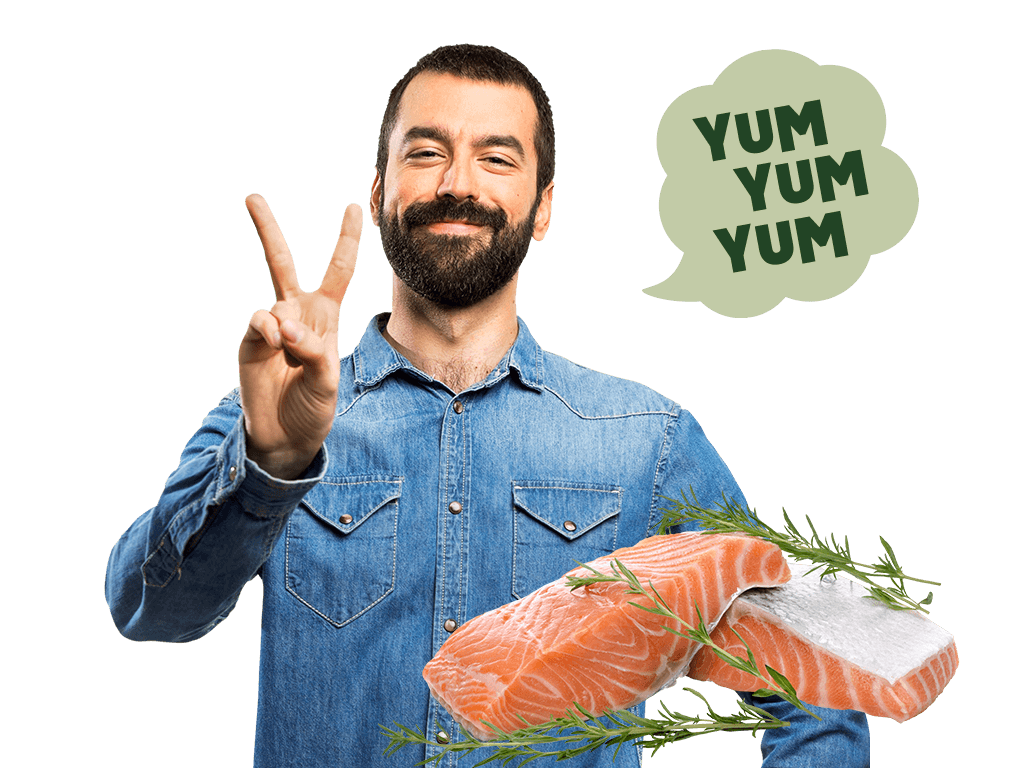
WOW, organic fish!Responsible Enjoyment from the Purest Water

High-quality protein and essential omega-3 fatty acids sourced in a manner that respects animal welfare and protects waterways. Guaranteed free of prophylactic antibiotics and synthetic hormones.
Organic Fish in EuropeFrom the Depths of the Ocean

Whether it’s the cool fjords of the North or the sunny bays of the Mediterranean: Discover the diversity and origins of European fish.

Ireland

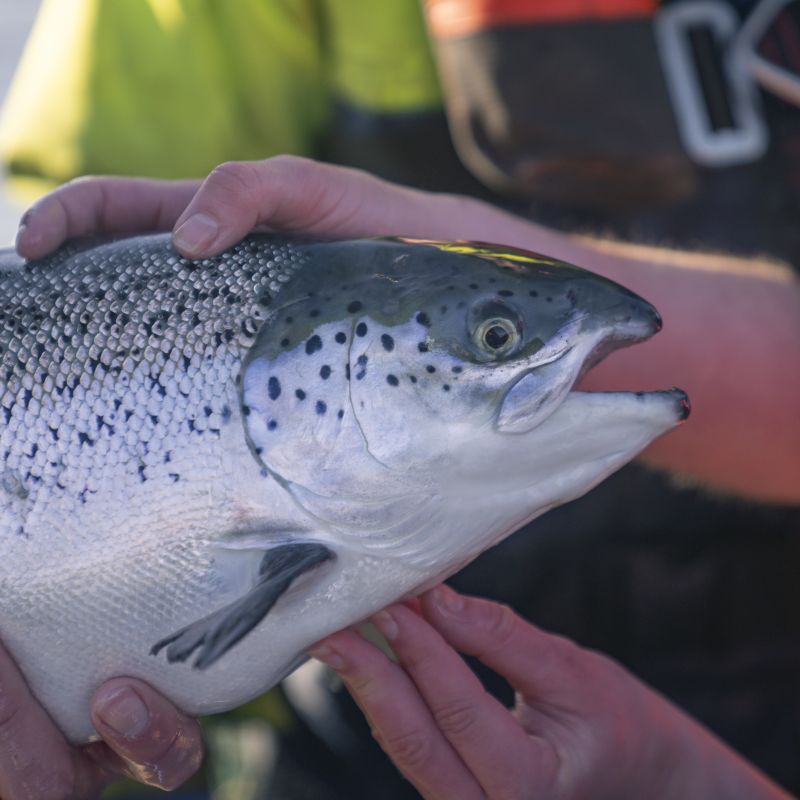
Organic Salmon

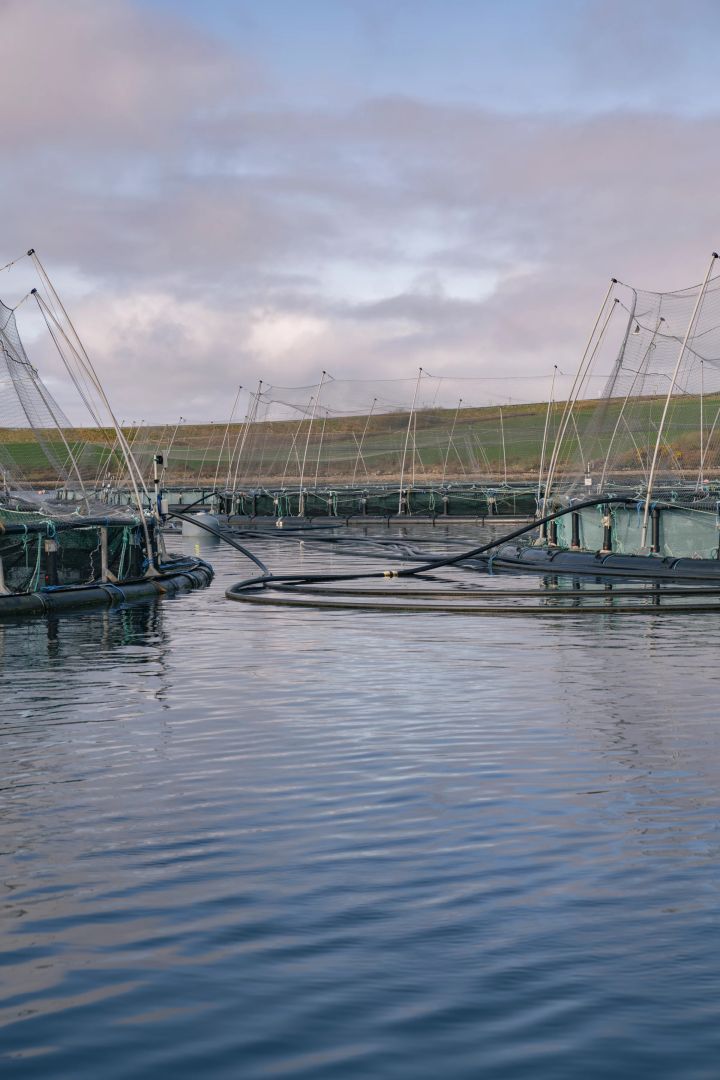
Tender, juicy, and rich in omega-3: Salmon is one of Europe’s favorite fish. Organic salmon has more space to swim and is fed high-quality feed. Its pink color comes from natural sources rather than synthetic additives.

Germany

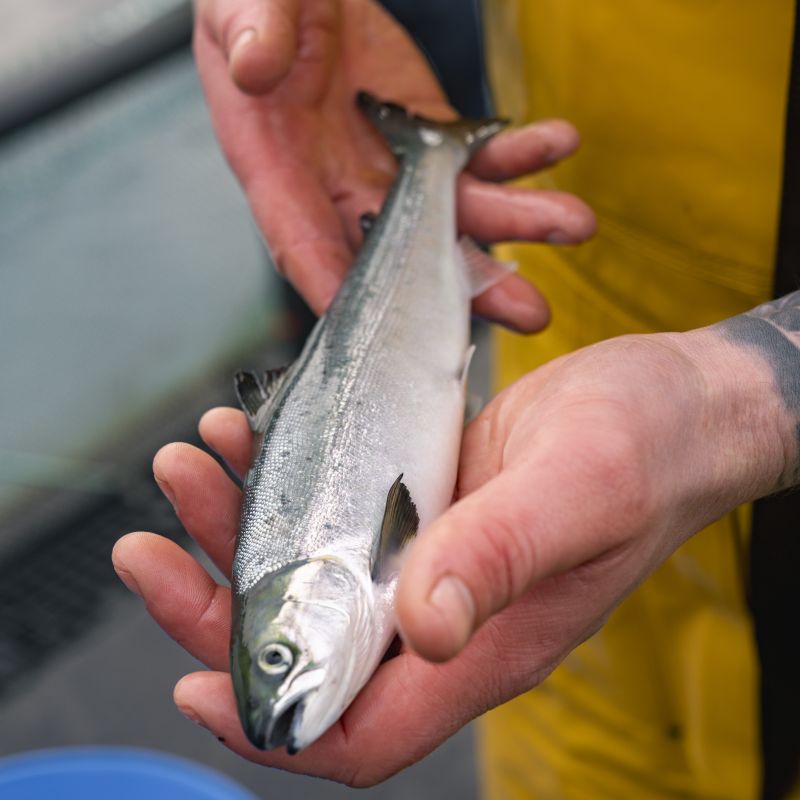
Organic Trout

Cool, clear, and rich in oxygen: that’s just how trout like it. Their flesh is tender, mild, and lean. Organic trout are raised in near-natural pond systems with clean water and plenty of space—often right in your neighborhood.

Italy


Organic Sea Bass

Mild, juicy, and with few bones, branzino (the Italian word for “sea bass”) brings a taste of the Mediterranean to your plate. In organic aquaculture, it is raised at lower stocking densities and is regularly monitored. A little taste of vacation—with peace of mind.

Frequently Asked QuestionsAbout Organic Fish

  • Yes! Biodiversity is one of the goals of organic farming. EU organic regulations promote farming methods that support natural cycles and biodiversity.

  • No. Genetically modified organisms (GMOs) are generally not permitted in organic production. Instead, organic farming relies on natural processes, preventive measures, and hardy varieties and breeds.

  • Organic farming prioritizes animal welfare. EU organic regulations require species-appropriate husbandry, take into account the animals' natural needs, and emphasize, among other things, lower stocking densities. The use of antibiotics is also restricted.

  • Organic farming aims to make agriculture possible in harmony with nature. Among other things, the EU organic regulations promote biodiversity, healthy soils, the responsible use of natural resources, and the protection of water quality.

  • Yes—because organic status isn't just a promise; it's verified. Only certified products are allowed to bear the EU organic label.

  • The EU organic label is your guarantee of certified organic production in accordance with EU regulations. It tells you that a product meets the legal requirements for organic certification. Other labels may also have their own, stricter standards.