WOW, organic grains!The Renaissance of Ancient Grains

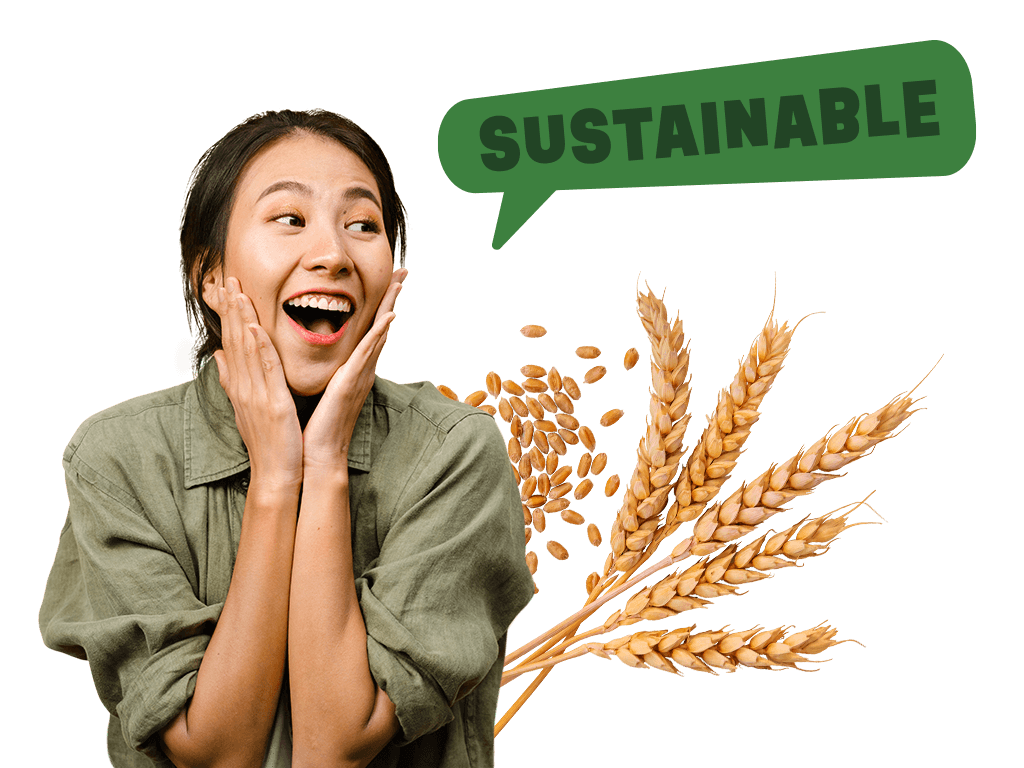
Versatile, filling, and rich in complex carbohydrates. Whether in artisanal sourdough bread, your morning granola, or cooked al dente as pasta—organic grains give you long-lasting energy for your active daily life.
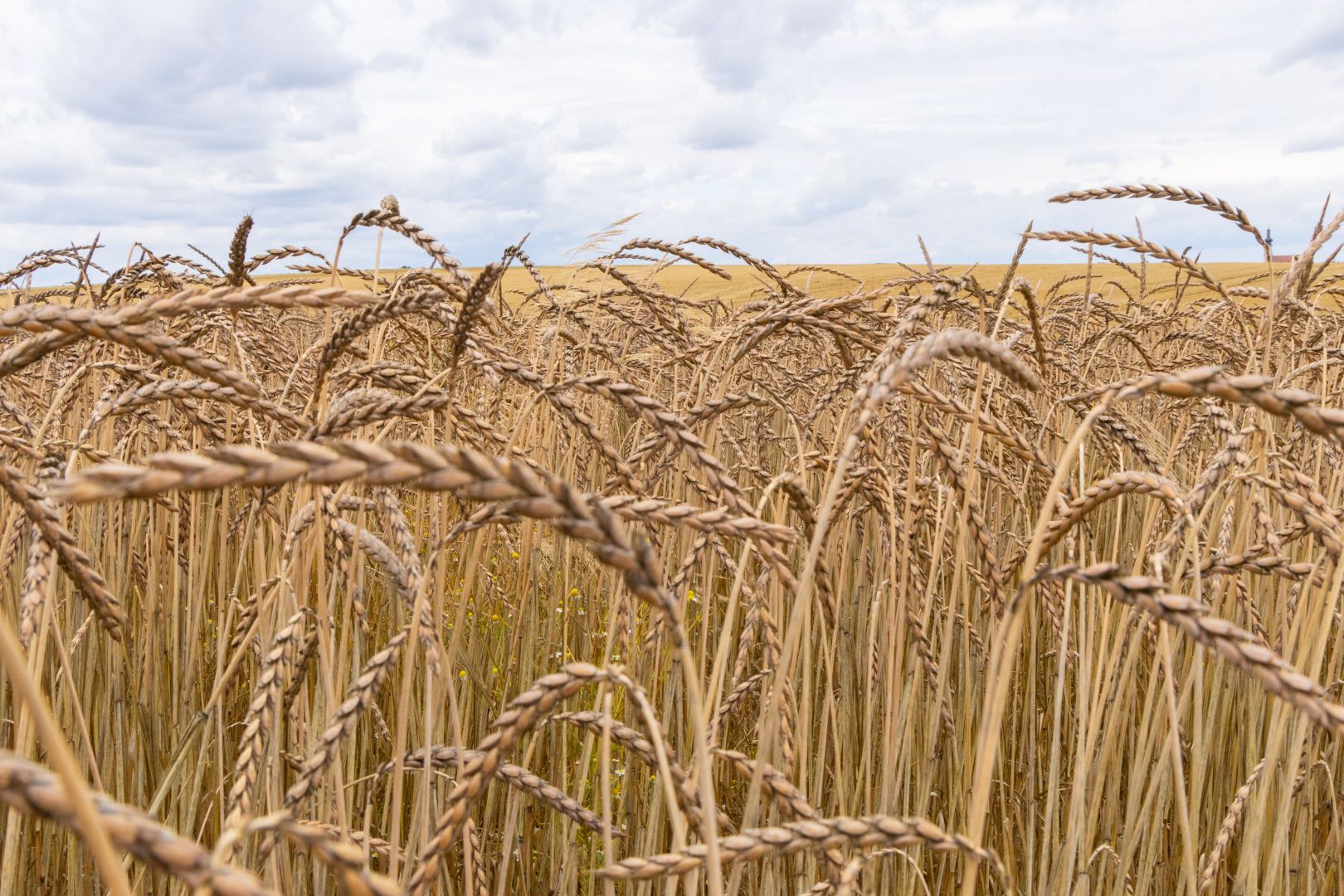
Europe's Organic Grains: Variety Instead of MonocultureThe Comeback of Ancient Grains

Forgotten treasures with a distinctive flavor, higher nutritional density, and greater resilience in organic farming.

All-rounder

Spelt

The nutty all-rounder for fluffy pastries, crispy bread, and traditional baked goods. Its gluten ensures elastic dough and excellent baking properties.
Superpower: High protein content and valuable minerals such as silica.

Native

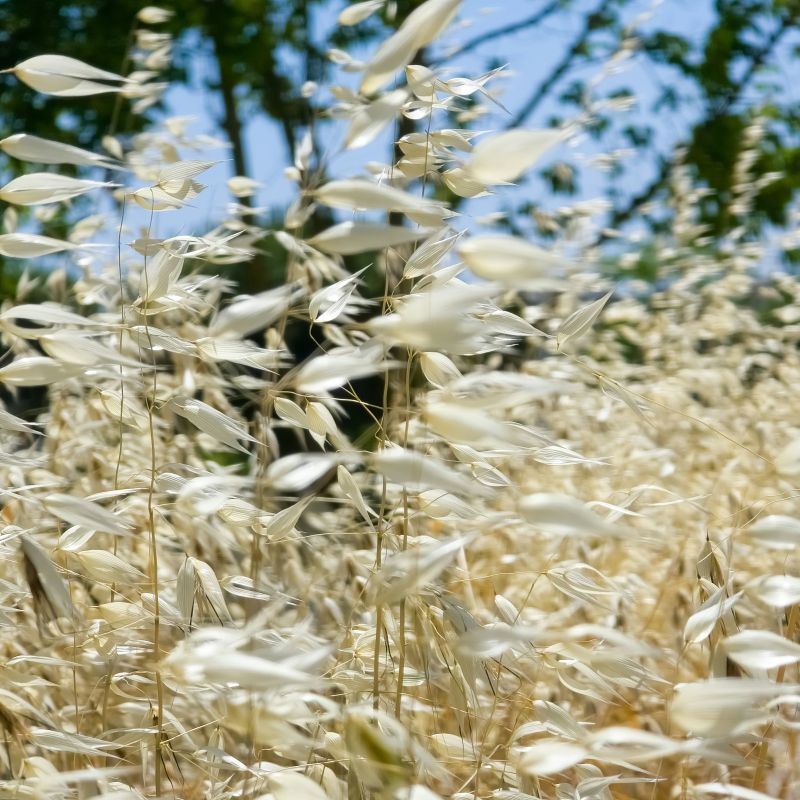
Organic oats

The local superfood hero, packed with valuable beta-glucan fiber.
Superpower: Beta-glucan supports normal cholesterol levels and promotes long-lasting fullness.

Ancient

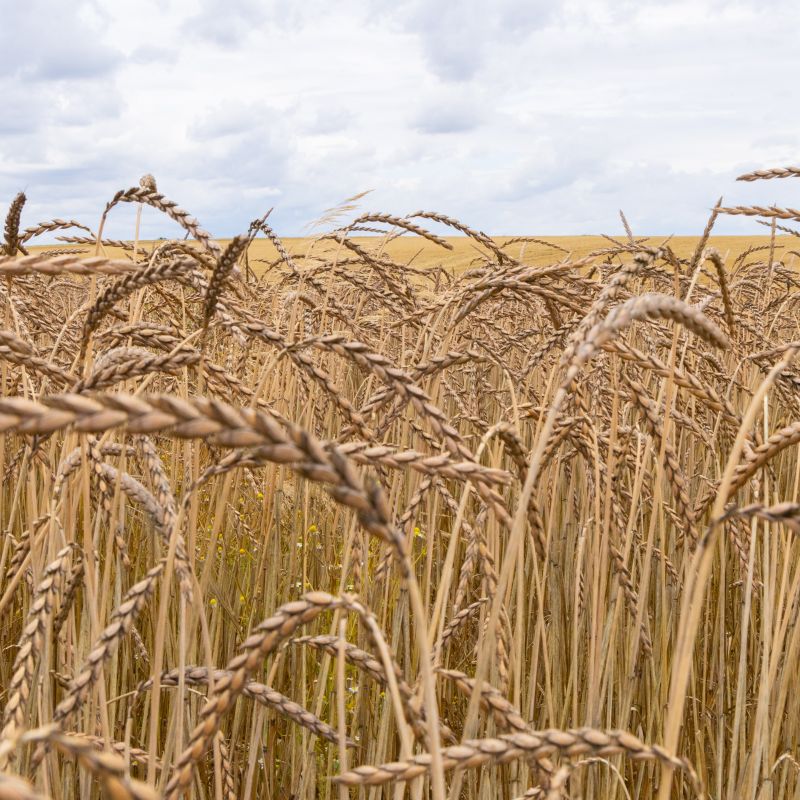
Emmer (two-grain)

One of the oldest cultivated grains known to humankind. It captivates with its amber luster, hearty texture, and distinctive aroma.
Superpower: Rich in carotenoids and valuable micronutrients. Your cells will love it.

Harmony with the Ecosystem

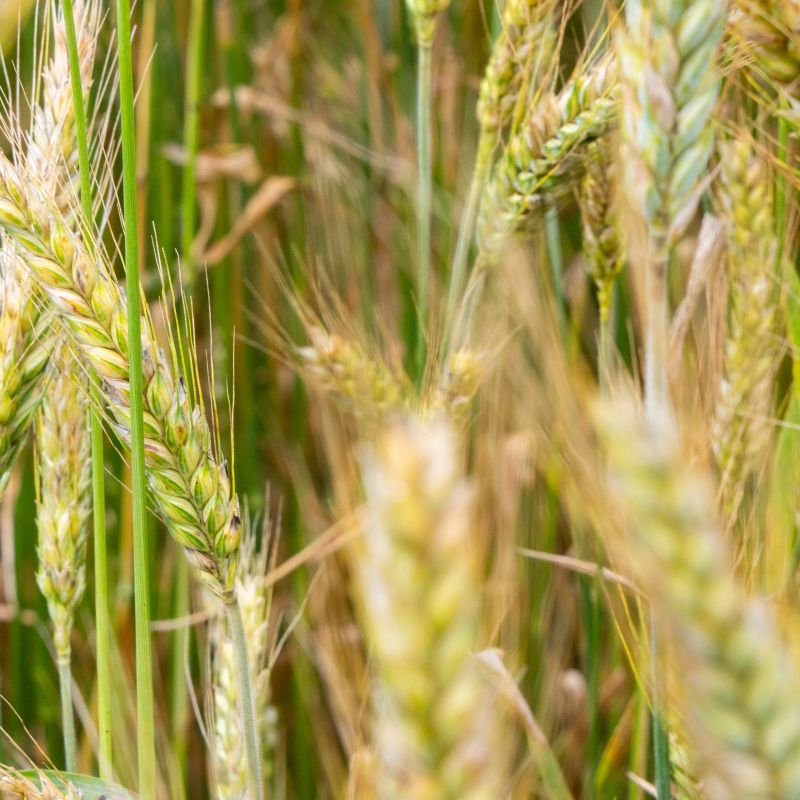
Organic grains emphasize diversity and natural cultivation. Varieties such as spelt, emmer, and einkorn grow in harmony with nature and require no synthetic chemical fertilizers or pesticides.
This improves soil health, promotes sustainable agriculture, and brings an authentic, aromatic flavor to the table.

Frequently Asked Questions (FAQ)

  • Absolutely. Healthy soil is the foundation for healthy plants. That's why organic farming relies on methods such as crop rotation and building soil fertility—thereby protecting soil life and soil structure.

  • Organic farming relies on solutions that are as natural as possible. Synthetic chemical pesticides are not permitted in organic farming; only certain products and substances approved under EU organic regulations are allowed.

  • No. Genetically modified organisms (GMOs) are generally not permitted in organic production. Instead, organic farming relies on natural processes, preventive measures, and hardy varieties and breeds.

  • Water is a precious resource—and organic farming uses it responsibly. The EU organic regulations emphasize the careful use of natural resources and the preservation of water quality. This ensures that water remains protected for future generations.

  • Yes! Biodiversity is one of the goals of organic farming. EU organic regulations promote farming methods that support natural cycles and biodiversity.

  • Independent, accredited inspection agencies take a close look. Organic farms are inspected at least once a year. Only when everything meets the standards is organic certification granted.