WOW, organic fruit!The natural sweetness of real organic fruit.

Much more than just a snack for in between meals. Naturally ripened under the European sun—completely free of synthetic chemical pesticides or artificial ripening agents. Enjoy the peel!
Europe's Top Organic FruitsFrom the best growing regions

Sun in the south, mineral-rich valleys in the east, and cool, humid slopes in the Alpine foothills. Each region produces its own aromatic masterpiece.

Sicily & Calabria, IT

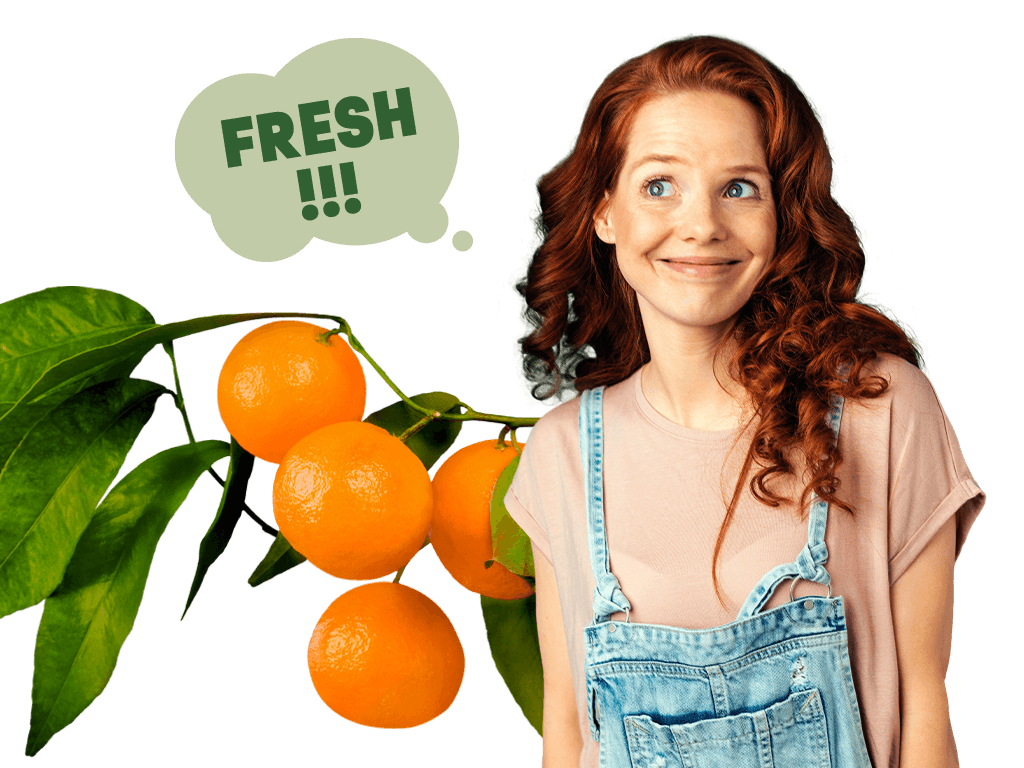
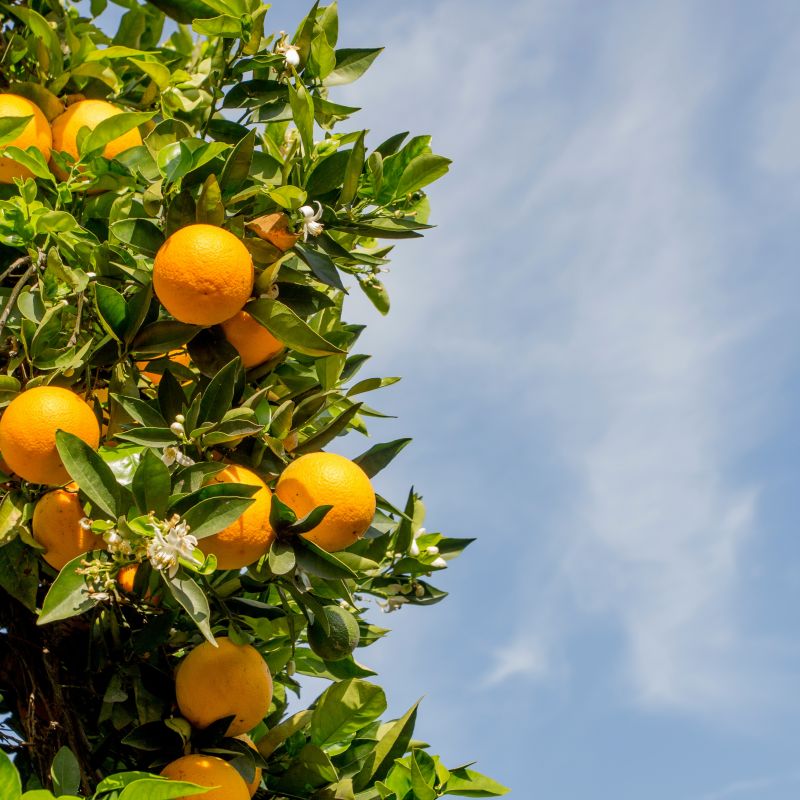
Organic Sicilian Citrus Fruits

Blood oranges, lemons, and mandarins thrive at the foot of Mount Etna on fertile volcanic soil. Significant temperature differences between day and night give them their intense red color and fruity sweetness.

Hungary

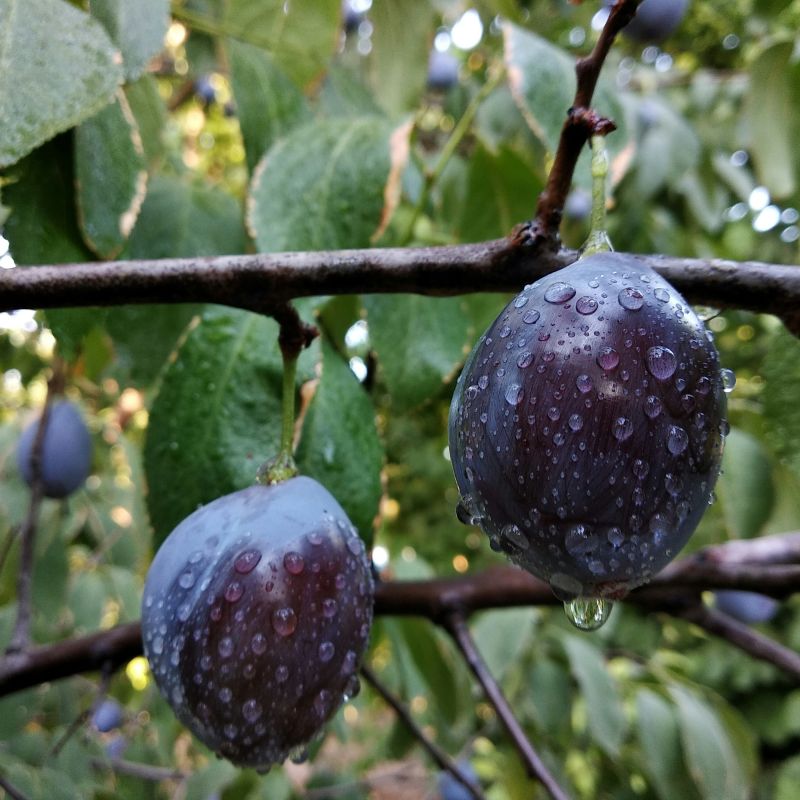
Organic Plums

With its warm summers, Hungary offers ideal conditions for growing plums. Organic plums are grown there in accordance with the EU Organic Regulation and have a pleasant sweetness and subtle flavor.

Italy


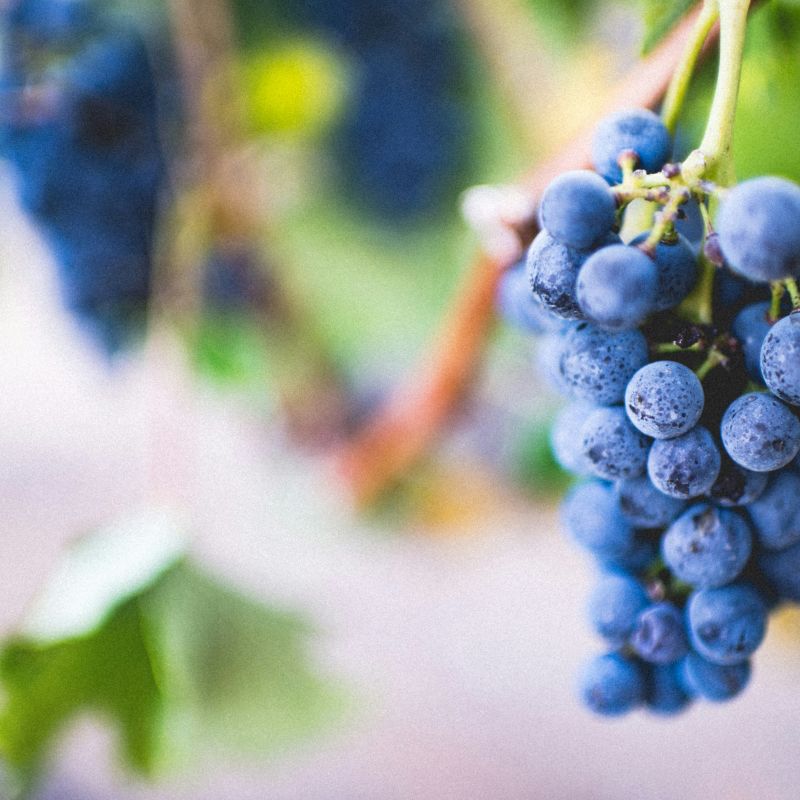
Organic grapes

Italy is one of Europe’s most traditional grape-growing countries. Abundant sunshine and the Mediterranean climate shape their flavor. All organic grapes are grown under certified organic cultivation in accordance with EU organic standards.

Frequently Asked Questions (FAQ)

  • Organic products are inspected. Only products that comply with EU organic regulations and are certified accordingly may bear the EU organic logo. This turns the organic promise into a verified standard.

  • Absolutely. Healthy soil is the foundation for healthy plants. That's why organic farming relies on methods such as crop rotation and building soil fertility—thereby protecting soil life and soil structure.

  • Organic farming relies on solutions that are as natural as possible. Synthetic chemical pesticides are not permitted in organic farming; only certain products and substances approved under EU organic regulations are allowed.

  • That's the end of organic certification. Farms and businesses are inspected. Those that do not meet the requirements may lose their organic certification and are no longer allowed to market their products as organic.

  • The EU organic label is your guarantee of certified organic production in accordance with EU regulations. It tells you that a product meets the legal requirements for organic certification. Other labels may also have their own, stricter standards.