Organic Farming & SoilThe future thrives on fertile ground.

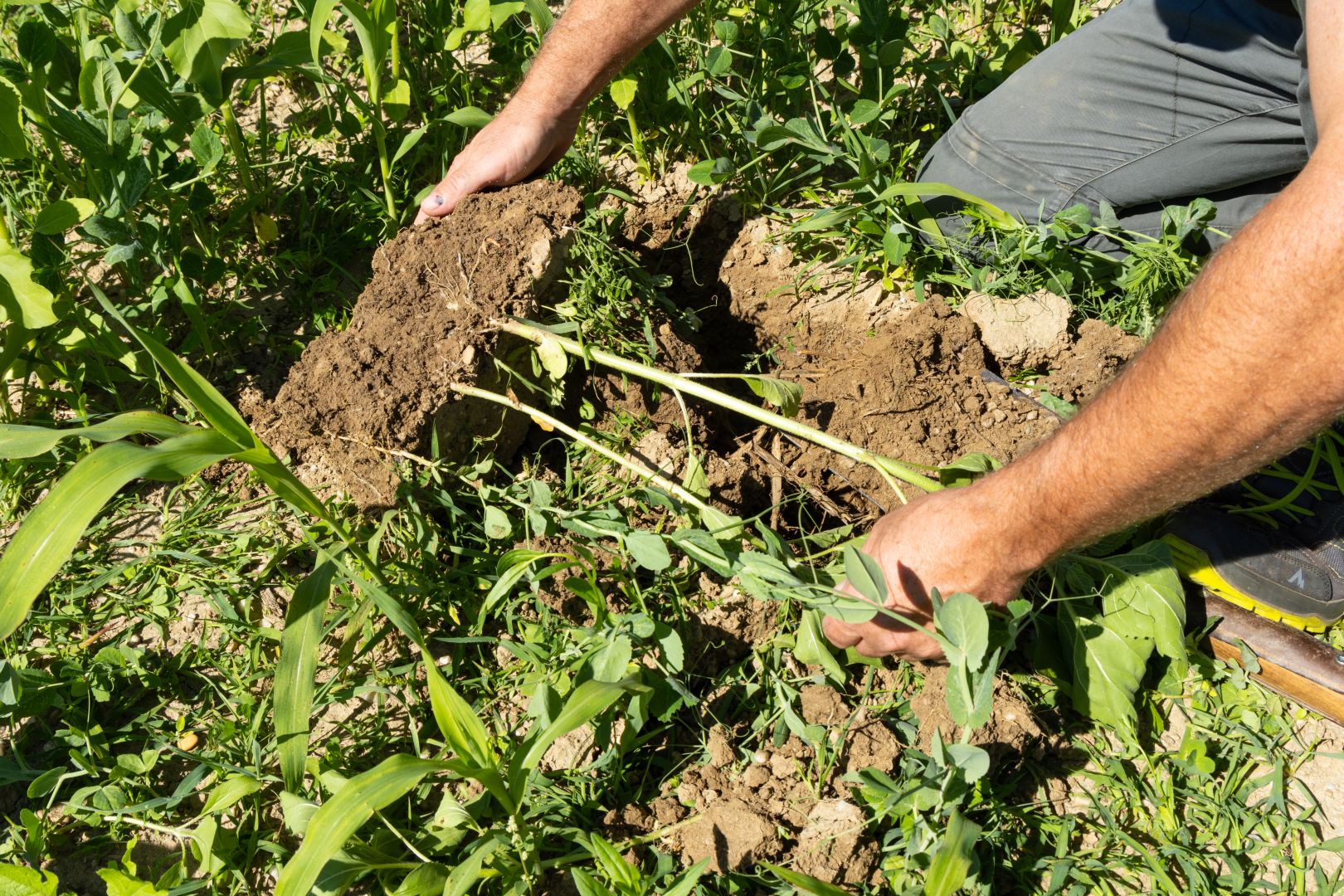
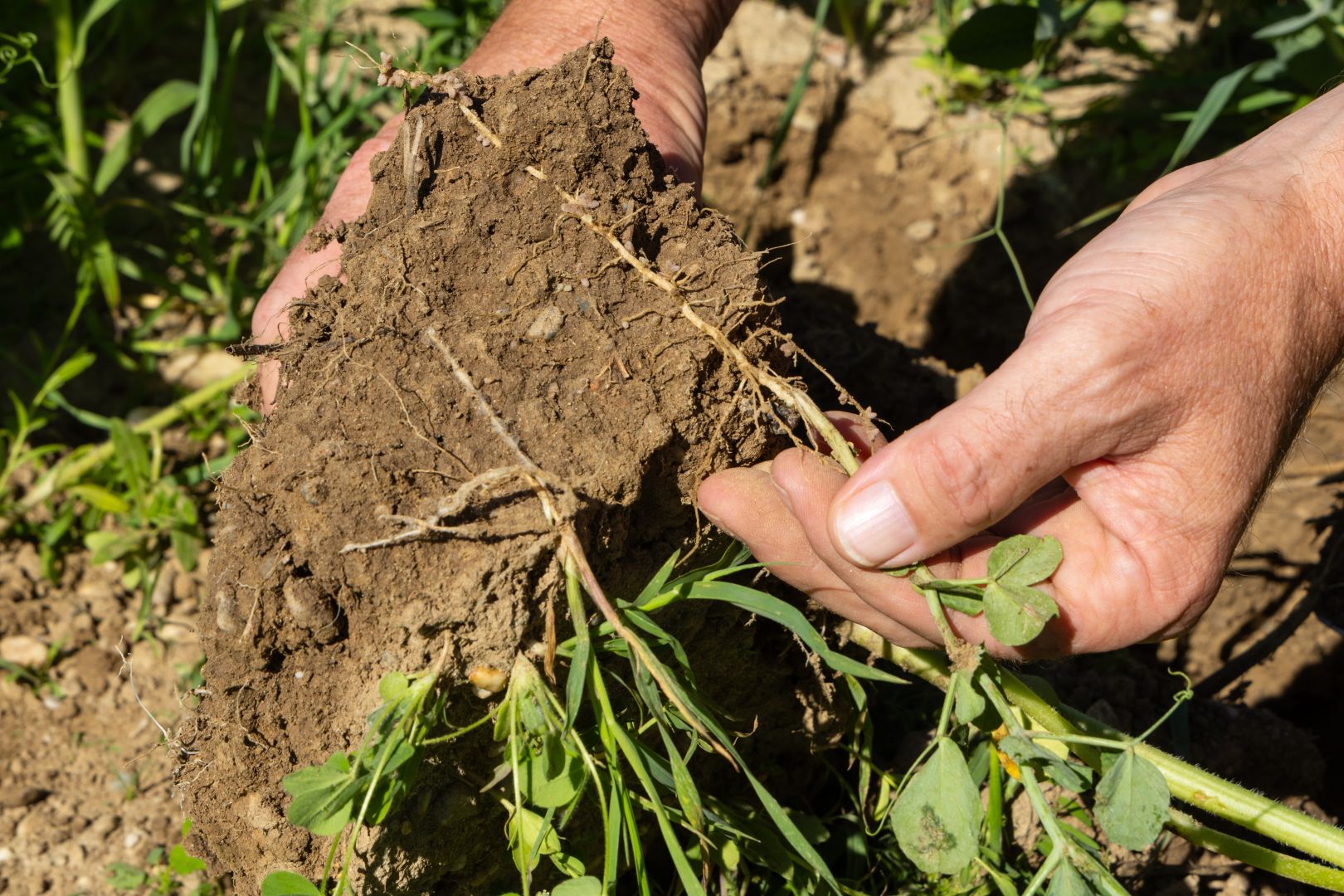
Healthy soils are the foundation for plant growth. They provide a habitat for numerous organisms and promote biodiversity.

Why is the soil so important in organic farming?Healthy soil is the foundation for everything that grows.

They store water, sequester carbon, provide habitat for countless organisms, and ensure our food production. In organic farming, therefore, the focus is on promoting soil fertility:

  • By avoiding synthetic chemicals and using organic materials, natural and balanced conditions are created.

  • A living soil strengthens plant resilience, promotes biodiversity, and supports carbon sequestration.

  • Fertile soils thus form an important foundation for a sustainable food supply—today and in the future.
Frequently Asked Questions (FAQ)

  • Absolutely. Healthy soil is the foundation for healthy plants. That's why organic farming relies on methods such as crop rotation and building soil fertility—thereby protecting soil life and soil structure.

  • Organic farming relies on solutions that are as natural as possible. Synthetic chemical pesticides are not permitted in organic farming; only certain products and substances approved under EU organic regulations are allowed.

  • Yes! Biodiversity is one of the goals of organic farming. EU organic regulations promote farming methods that support natural cycles and biodiversity.

  • No. Genetically modified organisms (GMOs) are generally not permitted in organic production. Instead, organic farming relies on natural processes, preventive measures, and hardy varieties and breeds.

DID YOU KNOW that…?

A large portion of biodiversity depends directly or indirectly on healthy soils—more than 95% of our food production depends on them.