What if every bite made a little more of a difference?Organic with a WOW Factor

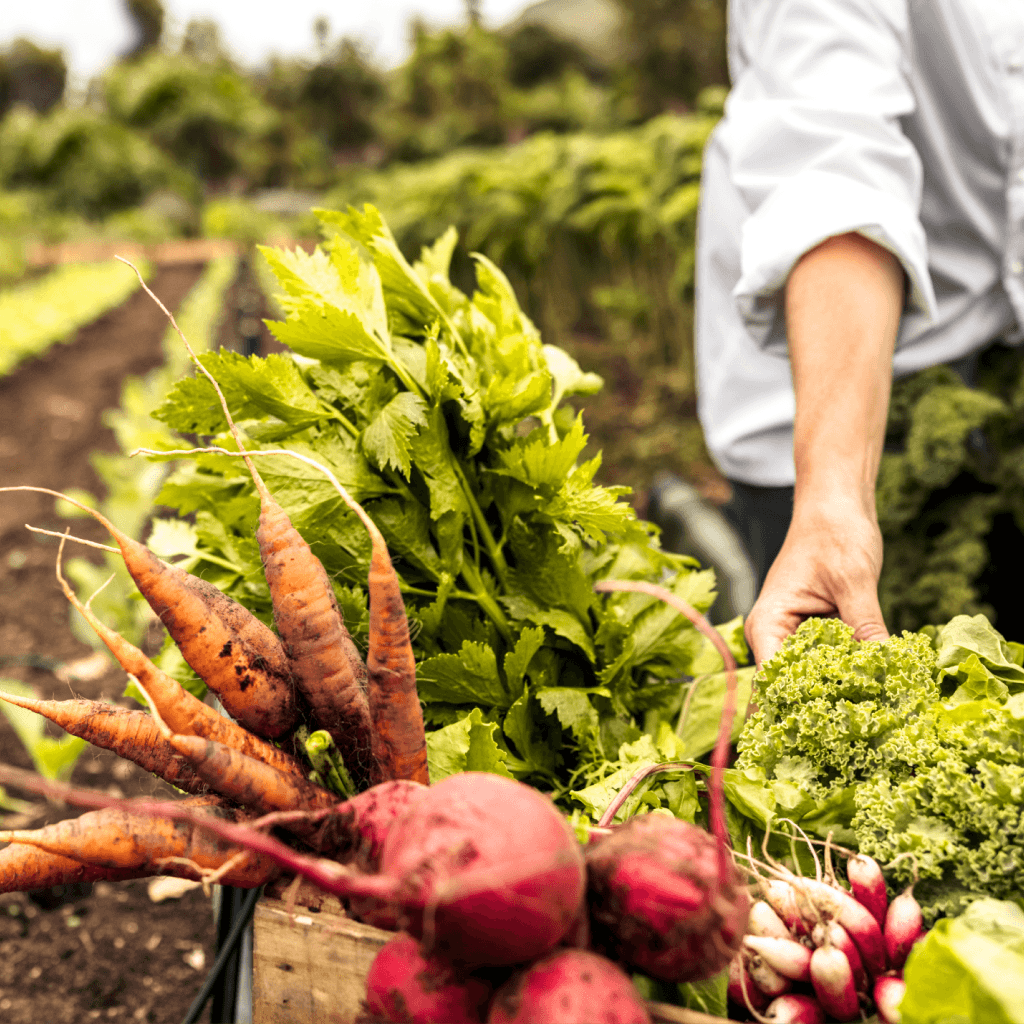
Let’s be honest: Eating is about so much more than just filling your stomach. It’s about enjoyment, companionship, making good choices, and the feeling of picking something that’s just right.

Give it a try. Rediscover organic—and make a choice that makes a difference.

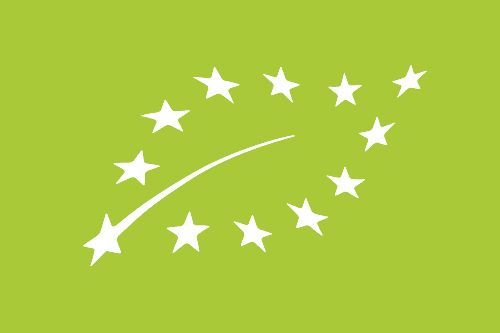
The EU Organic LabelFollow the Leaf: Recognize True Organic Quality at a Glance

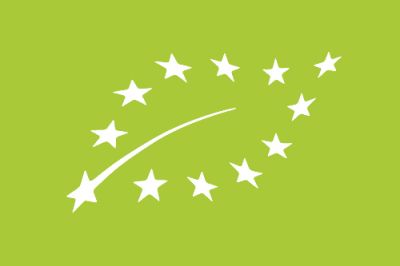
Those who choose organic are opting for foods that are produced in accordance with strict EU regulations and are regularly inspected. The easily recognizable green organic logo, featuring a leaf made up of EU stars, indicates that a product meets the requirements for organic farming and is officially certified.
About WOW, Organic!European quality you can trust.

WOW, Organic! is a three-year EU information campaign by Naturland and IFOAM Organics Europe. Through EU-funded information projects, we make organic farming understandable, tangible, and visible. We tell the stories behind organic farming, build trust, and explain what the EU organic logo means.

DID YOU KNOW?

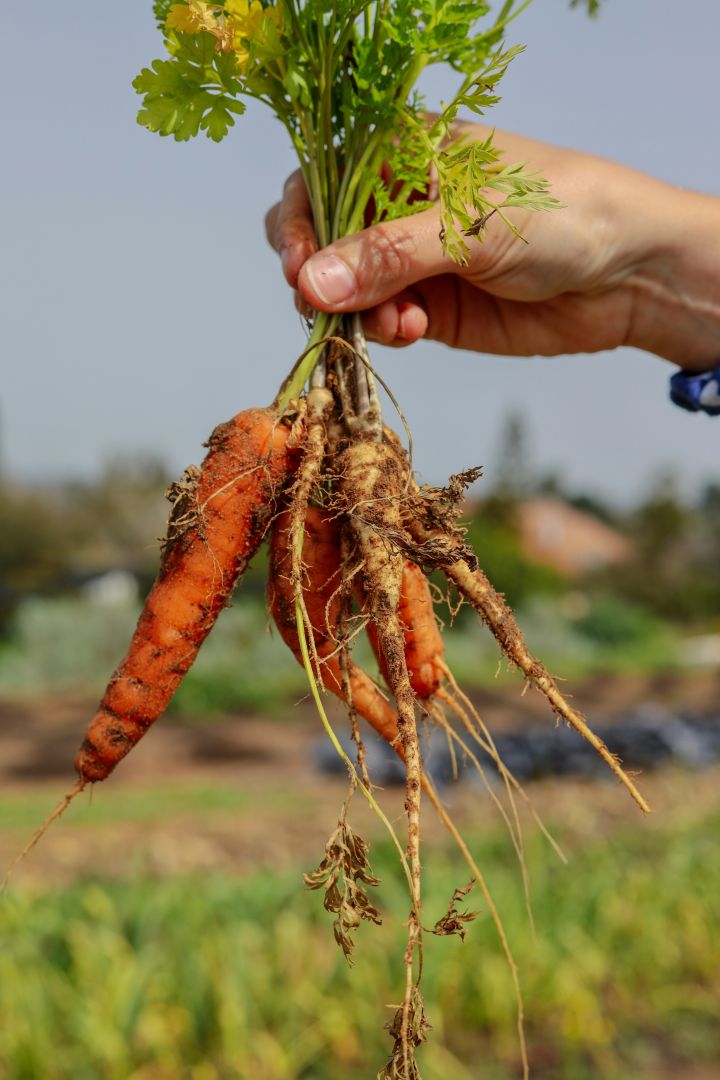
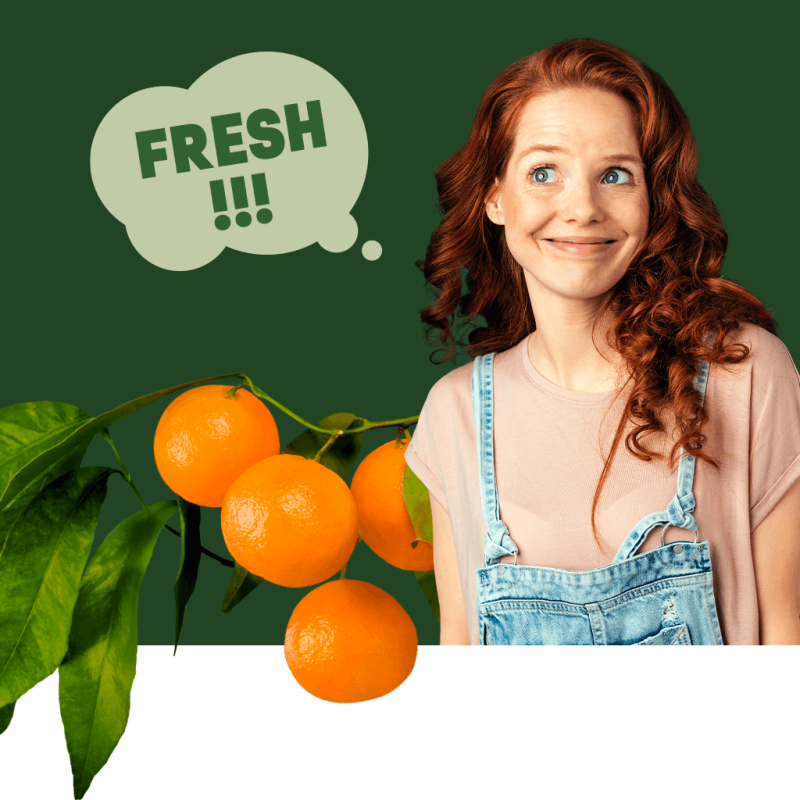
Organic products often have a more intense flavor.

Since organic plants often grow more slowly, they have time to develop more natural flavors. So that “WOW!” effect on your tongue is no coincidence.

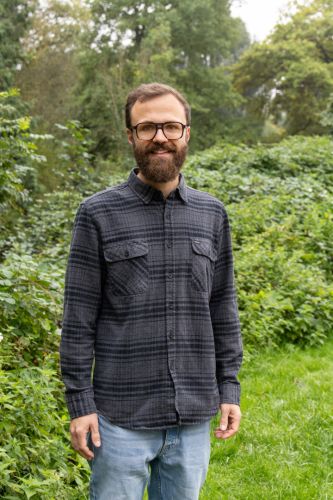
  • Moritz Reimer

    Organic Farmer and Vice President of Naturland

    Transparency, enjoyment, and responsibility in every bite. That’s what you’ll discover with “WOW, Organic! European quality you can trust.” We’ll show you what’s really behind organic products and how they affect you.

Frequently Asked Questions (FAQ)

  • The green leaf is your sign of EU organic certification. It indicates that this product complies with EU regulations for organic farming and has been inspected and certified accordingly. For packaged organic foods in the EU, the label represents a common organic standard—and makes organic products instantly recognizable.

  • Organic products are inspected. Only products that comply with EU organic regulations and are certified accordingly may bear the EU organic logo. This turns the organic promise into a verified standard.

  • Organic farming prioritizes animal welfare. EU organic regulations require species-appropriate husbandry, take into account the animals' natural needs, and emphasize, among other things, lower stocking densities. The use of antibiotics is also restricted.

  • Organic farming aims to make agriculture possible in harmony with nature. Among other things, the EU organic regulations promote biodiversity, healthy soils, the responsible use of natural resources, and the protection of water quality.

  • The EU organic label is your guarantee of certified organic production in accordance with EU regulations. It tells you that a product meets the legal requirements for organic production. Other organic labels, such as those from Naturland, Bioland, Demeter, and others, may also have their own, stricter standards.